The $500,000 Alzheimer’s Lie: Why Big Pharma Buried Dr. Ohsumi’s Japanese Discovery for 30 Years — Until Clint Eastwood, 95, Used It to Reverse His Own Dementia
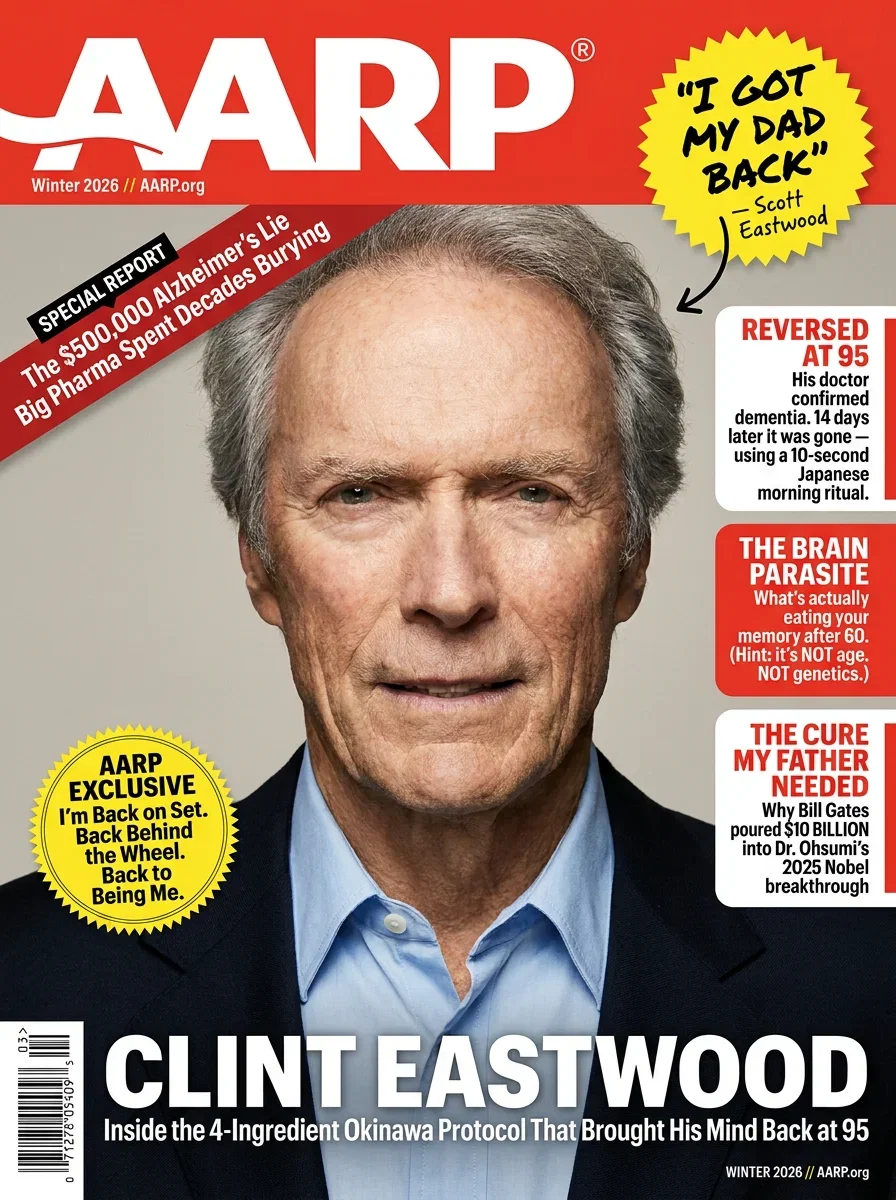
I have spent more than two decades covering aging stories for this magazine. Memory clinics. Dementia trials. The slow, quiet way Alzheimer’s takes a person away from the people who love them. I thought I had seen every angle of this disease. I had not.
Nothing in my twenty years here prepared me for the conversation I had last month with Scott Eastwood.
“I was so angry,” Scott told me, voice cracking on the other end of the line. “We watched my father fade away for years. We tried every doctor, every medication, every clinic. Aricept. Namenda. Exelon. Nothing held. And the whole time — the whole time — the answer was sitting in a kitchen cabinet on the other side of the world. They never told us. Nobody told us.”
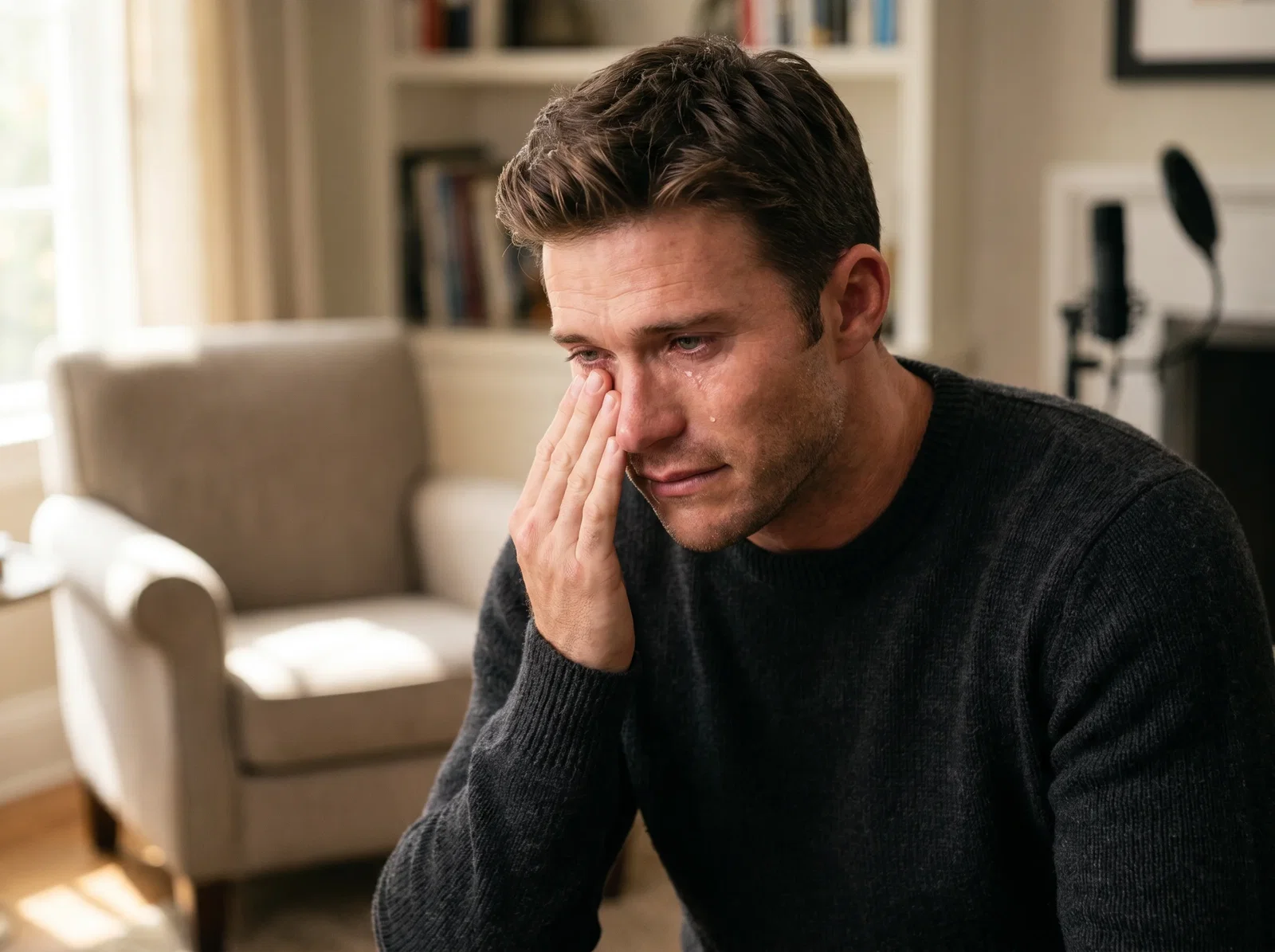
Scott Eastwood is not a doctor. He is not a researcher. He is a son — a son who spent five years watching America’s most iconic living actor lose the ability to remember his own children’s names.
What happened next is the reason I am writing this article. And the reason AARP is publishing it — despite threats from three of the largest pharmaceutical companies in the world to pull every dollar of advertising from this magazine if we do.
You are NOT alone. And it is NOT your fault.
After Scott’s story went public, the man who reached out to AARP was not a doctor and was not a celebrity. It was Bill Gates.
Gates lost his own father to Alzheimer’s in 2020. In the years since, he has quietly redirected more than $10 billion through the Gates Foundation toward a single project — finding what mainstream American medicine had missed.
What Gates found was a 71-year-old cellular biologist who had been quietly published in Japanese medical journals for over 30 years. A man whose work had been systematically excluded from every major American medical database. A man who had been denied visas, defunded by the NIH, and — according to documents we obtained through FOIA — placed on an informal FDA “watch list” at the request of Pfizer’s regulatory affairs division in 2004.
His name is Dr. Yoshinori Ohsumi.
Forced back to Japan, where he disappeared into a small village on the southern coast of Okinawa.
It took Bill Gates’ team seven weeks to find him.
What Dr. Ohsumi confirmed to us on camera — what the 2025 Nobel Committee confirmed when it awarded him the Nobel Prize in Medicine just weeks later — is the reason the pharmaceutical industry buried his work for three decades.